The Century-Old Mesa Recipe Buffet Lines Keep Breaking
Ask twenty Mesa caterers for an "Arizona-inspired" wedding menu and nineteen will hand you the same page. Street corn. Prickly pear glaze. A carne asada station. All fine food. None of it tells you anything about the ground you are standing on.
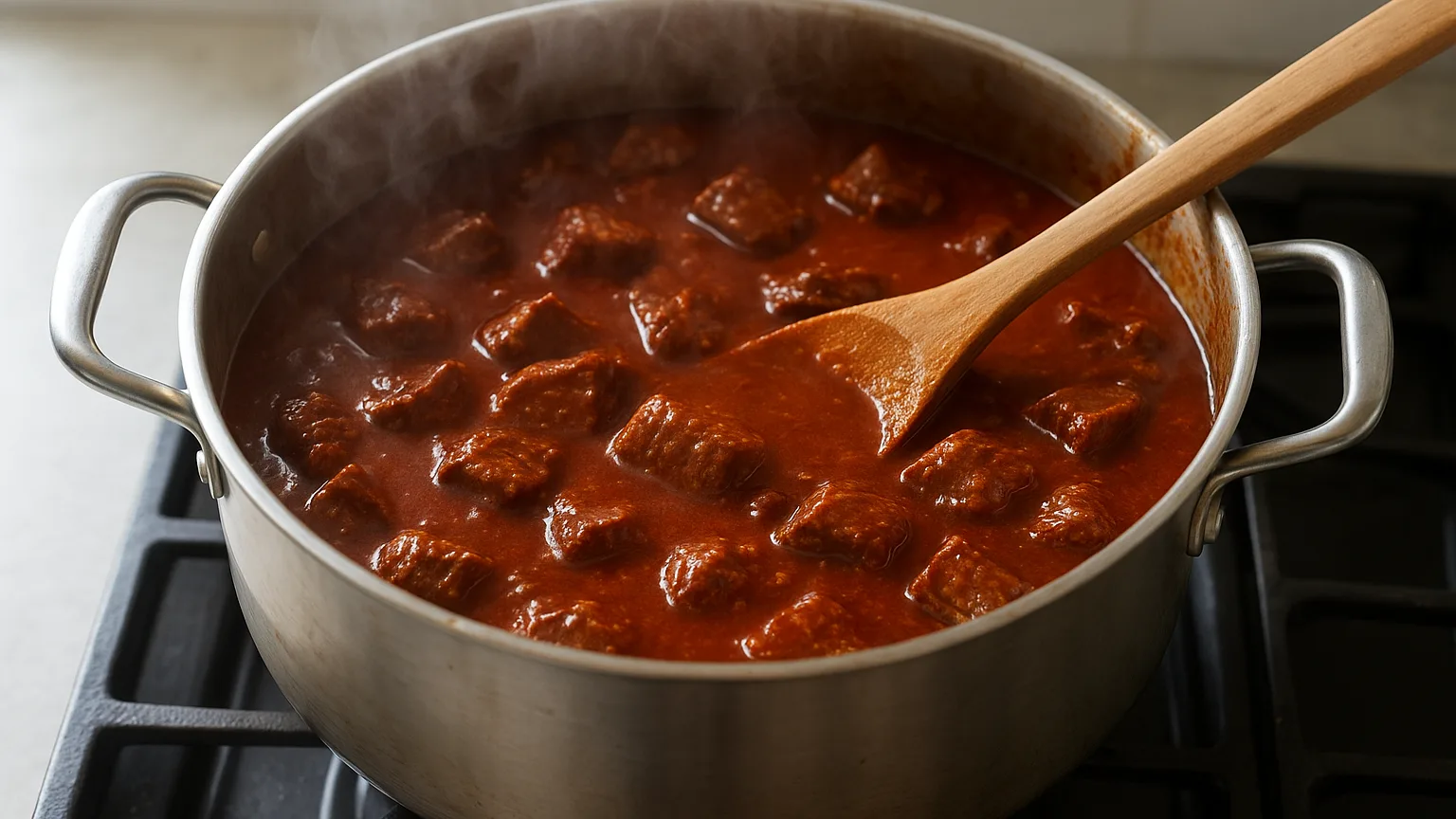
There is one dish that does. It has been cooked in this valley since before Arizona was a state, it shows up at Mesa family weddings that go back four and five generations, and it is the single most abused item on a catering buffet. That dish is chile colorado: beef slow-cooked in a sauce built from whole dried red chiles.
Get it right and guests go quiet for a second when they taste it. Get it wrong, and it turns into brown gravy with meat in it. The difference is not talent. It is one preparation shortcut almost every high-volume kitchen takes.
A Valley Recipe Older Than Statehood
Mesa's food history did not start with the 1878 arrival of the Mormon settlers, and it did not start with the Anglo farming families who followed. It started with the Hohokam canals those settlers cleaned out and reused, and with the Mexican and Sonoran families already farming and ranching this stretch of the Salt River Valley.
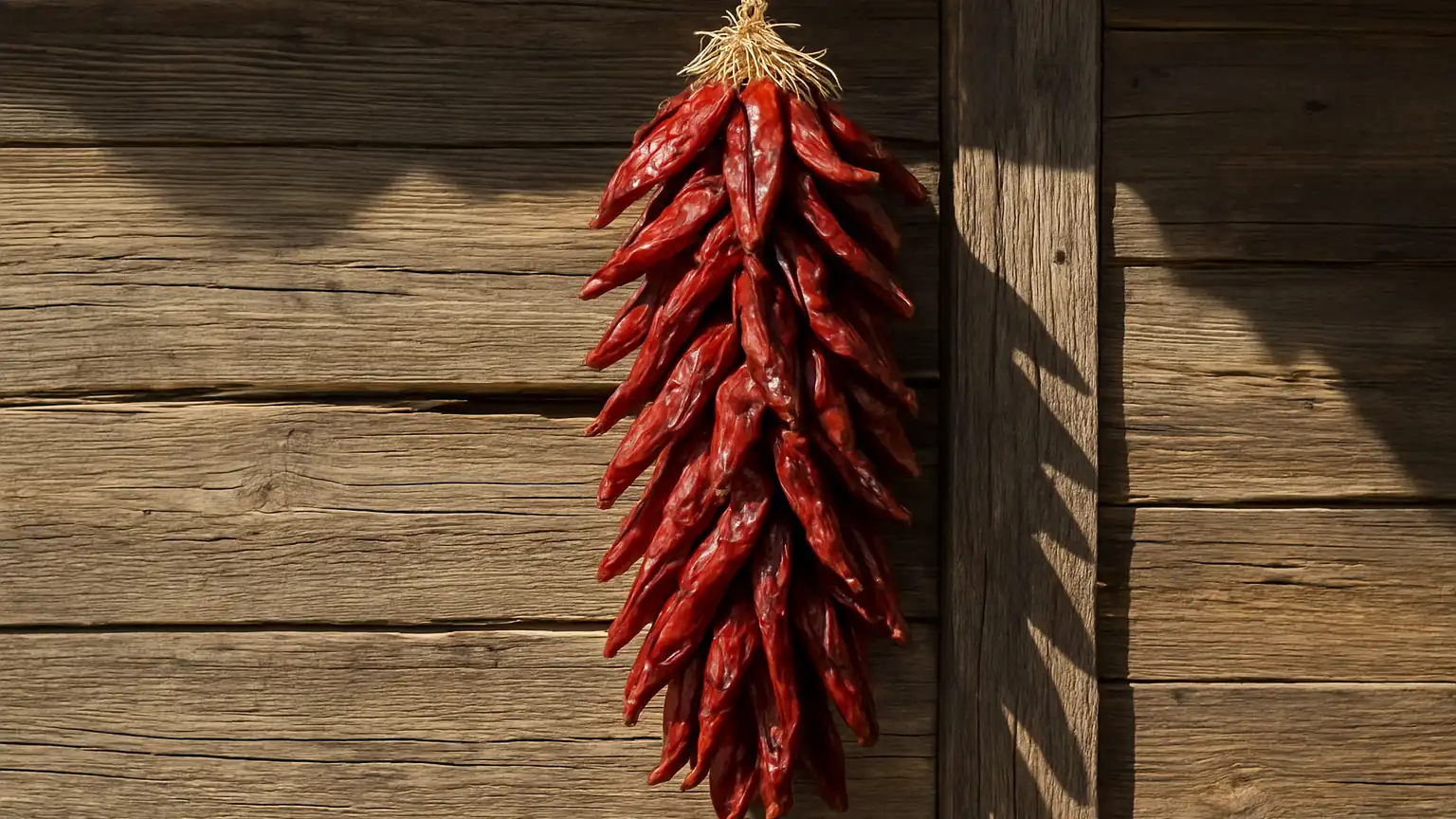
Dried red chiles were the practical answer to a hard problem. Fresh produce rotted in the heat. Chiles did not. Strung up in long ristras on a shaded porch wall, they held their flavor through an entire Arizona summer and into the next planting season. Beef was the same story: tough cuts from working cattle, needing hours of low, patient cooking to become worth eating.
Put those two facts together and you get chile colorado. Territorial-era Mesa cooks were not chasing a recipe. They were using what kept.
The Wedding Connection
Here is the part most menu planners miss. Chile colorado became a celebration dish specifically because it took so long. A pot of it meant somebody spent a full day at the stove for you. For a wedding, a baptism, a homecoming, that labor was the gift. Families would start the chiles the night before and the beef at dawn.
- It scaled well. One large pot fed a yard full of people without needing individual plating.
- It improved overnight. Cook it a day early and it was better, which meant less chaos on the wedding morning.
- It traveled. Neighbors carried pots down dirt roads to the celebration house.
- It signaled effort. Guests knew the difference between a real chile sauce and a lazy one, and they said so.
That last point has not changed. Your guests may not know the history, but they absolutely register when something tastes like it was made carefully. The Mesa relatives on your guest list will know exactly what they are eating, and they will have opinions.
Where Most Kitchens Cut the Corner
Here is the failure, plainly stated. Real chile colorado starts with whole dried chiles, usually New Mexico or California reds, sometimes guajillo, occasionally a few anchos for depth. You toast them dry, briefly, until they smell faintly sweet. You steep them in hot water. You blend them with garlic, a little onion, maybe cumin or Mexican oregano, then strain the puree through a fine mesh sieve to catch skin and seed fragments. Then that sauce cooks with seared beef for hours.
The shortcut replaces every bit of that with powdered chile stirred into stock and thickened with a flour roux.
It saves a caterer roughly three hours per batch and eliminates the messiest step in the kitchen. It also removes the entire reason the dish exists.
What Actually Goes Missing
Whole rehydrated chiles bring three things powder cannot fake:
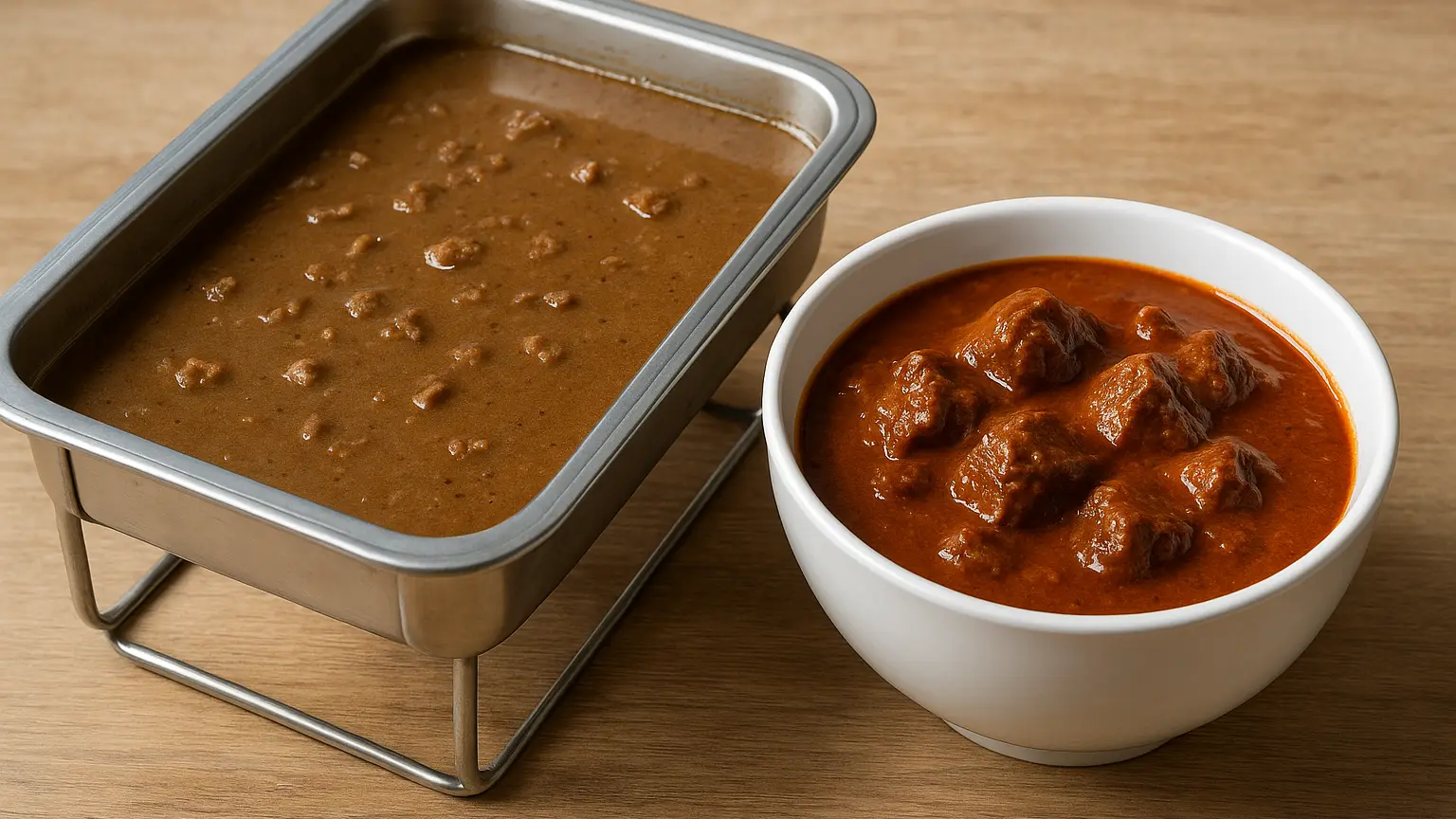
- Body without flour. The blended chile flesh itself thickens the sauce. Flour-thickened versions coat the tongue with a pasty film and taste flat, like a gravy pretending to be salsa.
- Layered fruit notes. Dried reds carry raisin, tomato, and dried cherry flavors. Powder loses those within weeks of being ground, and most catering-grade powder has been sitting a long time.
- The right color. Real sauce is a deep, slightly translucent brick red. The shortcut version goes opaque rust brown, and the surface separates into an orange oil slick under a chafing dish light.
Then the Buffet Line Finishes It Off
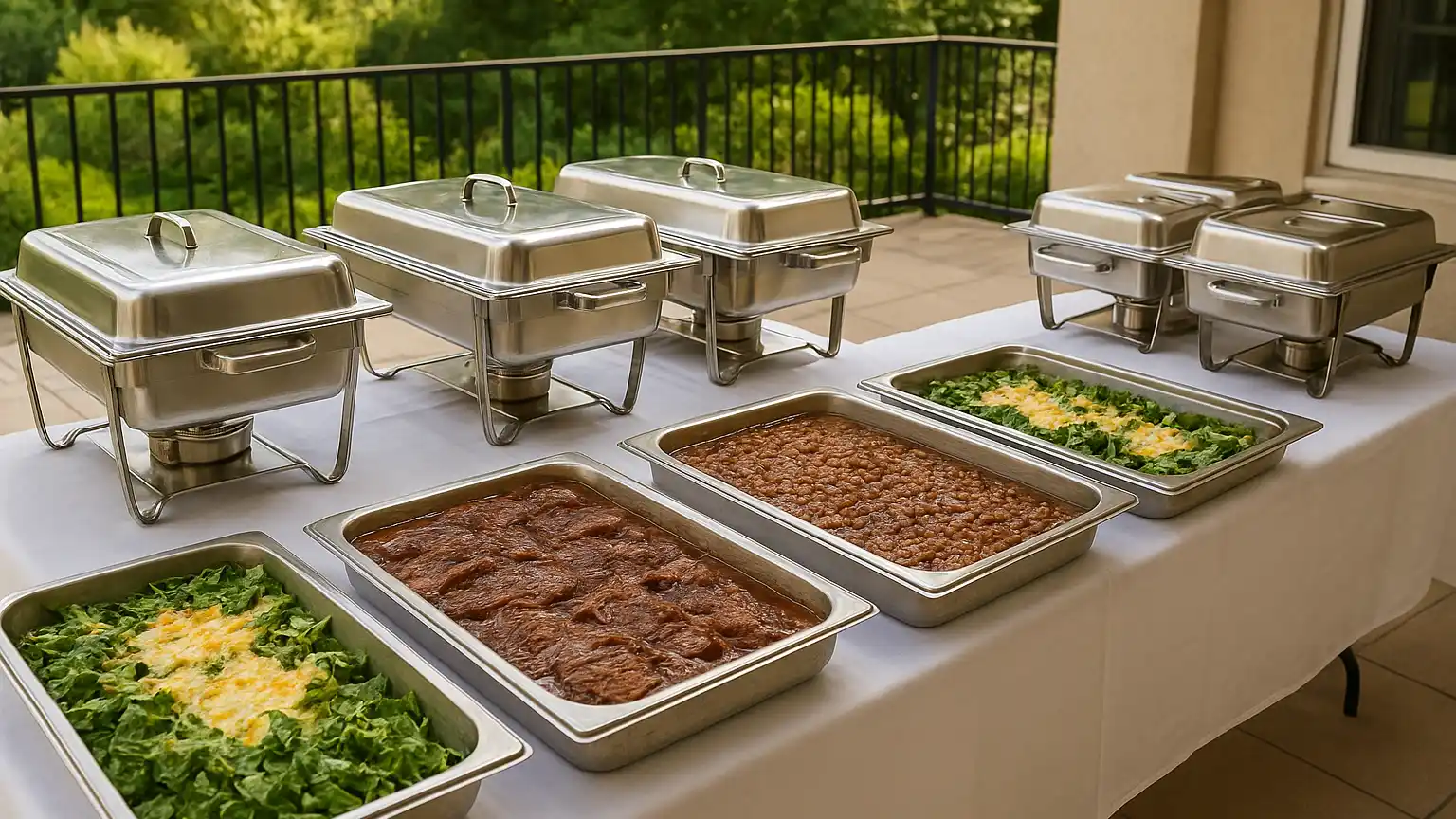
Even a properly made chile colorado can be destroyed after it leaves the kitchen. Ninety minutes over a sterno flame is where it happens. The sauce reduces past its target, the flour version breaks and turns grainy, and the beef keeps cooking until it goes from tender to stringy. This is the exact spot where mesa's first cooks knew about separates the caterers who understand slow cooking from the ones who only know recipes.
A caterer who respects the dish holds it slightly under-reduced, keeps a reserve of warm sauce to loosen the pan, and swaps the pan out rather than letting one batch sit for two hours. That is a service decision, not a cooking one, and it is worth asking about directly.
Four Questions Before You Sign the Contract
You do not need to be a cook to run this test. You need four questions and the willingness to listen to how someone answers, not just what they say.
Ask These at the Tasting
- "Which dried chiles do you use, and where do you buy them?" A good answer names varieties and a source, often a Mesa or Phoenix-area supplier. A vague answer about "chile blend" or "our spice mix" tells you it is powder.
- "Do you strain the sauce?" Anyone who works with whole chiles strains. It is unavoidable. If the question confuses them, that step never happens in their kitchen.
- "How far ahead do you make it?" The honest answer is a day or more, because it genuinely tastes better. Someone claiming they make it fresh the morning of is either lying or not braising long enough.
- "How do you hold it during a two-hour reception?" Listen for pan rotation, reserve sauce, and a lower holding temperature. Silence here is your answer.
What to Look For on the Plate
Trust your eyes and your fork before you trust the pitch. At a tasting, check for these:
- Sauce that clings to the beef instead of pooling separately on the plate
- Deep red with a faint garnet edge, not muddy brown
- Beef that pulls apart in strands with light pressure but still holds shape
- Heat that arrives after the flavor, not instead of it
- No floury aftertaste sitting on the back of your tongue
Menu Choices That Protect the Dish
If you love chile colorado enough to feature it, build the service around it rather than dropping it into a standard buffet lineup. A few structural moves make a real difference:
Put it at a staffed station instead of a self-serve chafing dish. An attendant ladling from a smaller, frequently refreshed pot keeps the sauce in far better shape than a big pan slowly dying over a flame. Pair it with warm flour tortillas and simple pinto beans rather than five competing sides, which is how Mesa families have served it for a century. Ask for a plated first-course option if your guest count is under 120, since portion control means the kitchen can hold the sauce properly.
And consider putting it somewhere unexpected. Late-night service at eleven o'clock, with tortillas and nothing else, has quietly become one of the best moves in Mesa wedding catering. Guests who skipped dinner because of nerves finally eat, and the dish gets its own moment instead of competing with six other trays. The same instinct that made lunch counters legendary shows up in vanished mesa lunch counter locals, where a single well-made dish built a reputation no full menu could.
The Pot That Tells Your Guests Where They Are
A wedding menu is a set of decisions about what you want people to remember. Most Arizona-themed menus reach for imagery: cactus, sunset colors, a mesquite grill. Chile colorado does something harder. It carries the actual practical history of this valley, the sun-dried chiles on a porch wall and the tough beef and the day of patient work, and it does it in a form guests can taste rather than look at.
The whole thing comes down to whether your caterer takes the three-hour path or the twenty-minute one. Toasted whole chiles, steeped and blended and strained, cooked long and slow with seared beef, held gently and served in small refreshed batches. Ask the four questions, taste before you sign, and watch what the sauce does on the plate. Do that, and you will hand your guests something no other wedding in the valley served that weekend, because almost nobody is still willing to make it the way Mesa made it first.
Stay at the Table a Little Longer
In Veracruz, the talk after dinner lasts longer than the meal. Pull up a chair for another story from our kitchen in Bishop Arts.
Desserts, Drinks & More
Indulge in our decadent desserts and refreshing drinks, perfect for any occasion.