The Mesa Counter That Closed and Never Left
Ask ten longtime Mesa residents about the best plate this city ever served, and you will get twelve answers. But somewhere in that argument, someone always brings up the little lunch counter off Main Street — sun-faded awning, closed for decades, still showing up in Facebook comment threads at two in the morning.
Nobody agrees on the details. Some say ten stools, some swear eleven. Some say the chile was hotter in the seventies, or that it was never the same after the second remodel. What everyone agrees on is that the food mattered, and that when the doors locked for good, Mesa lost something it never quite replaced. This is a story about a plate of food, a family who made it, and why memory is such a stubborn cook.
Inside a Narrow Room Off Main Street
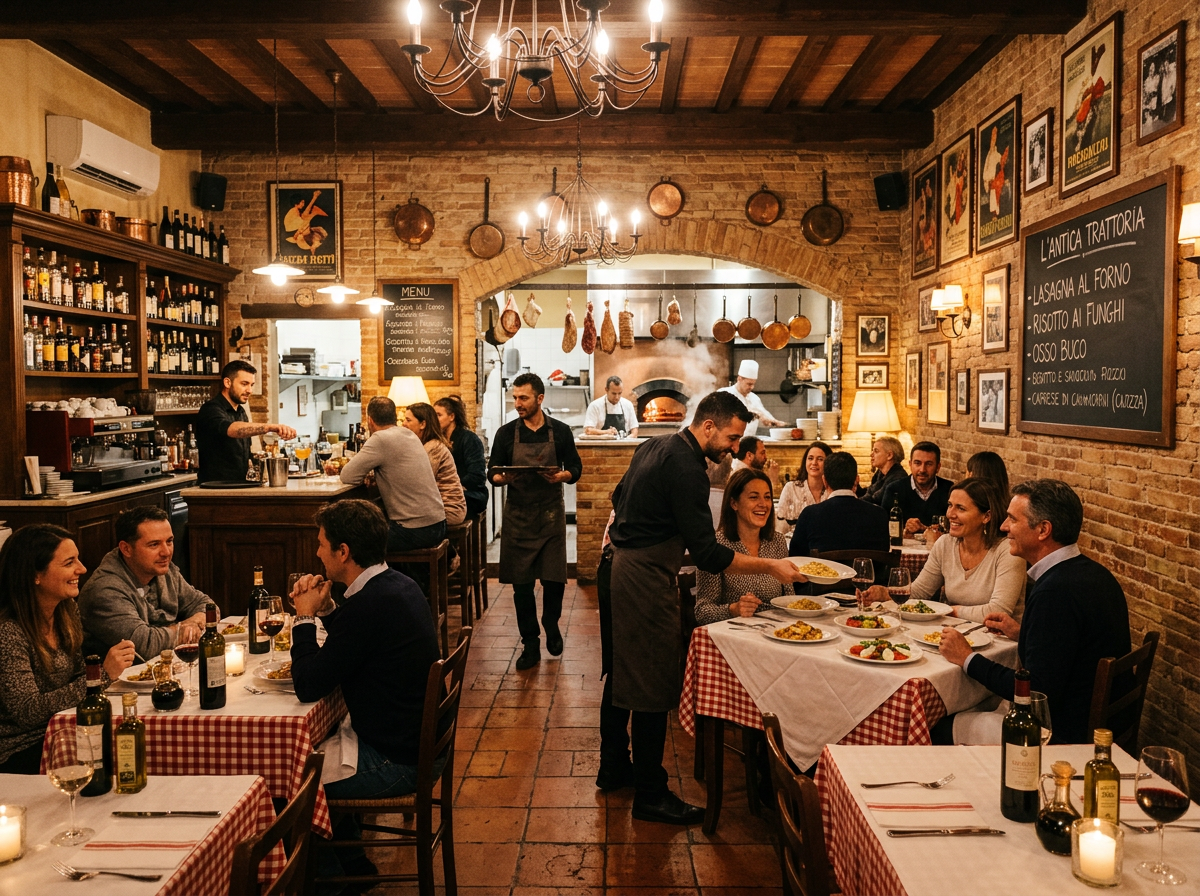
The place opened in the years right after the war, when downtown Mesa was still a town where you could walk from the feed store to the barber to lunch in under four minutes. Narrow, long, built into a building that had held two or three other businesses before it. The kitchen was visible from every seat, which was less a design choice than a fact of the square footage. There was no printed menu for most of its run — just a chalkboard, and often the chalkboard was wrong. What you got depended on what came in that morning and what the cook felt like making.
Regulars have described the setup roughly the same way across the years:
- A single row of stools bolted to the floor, upholstered in a red vinyl that cracked and got patched with tape
- A flat-top griddle that ran the length of the back wall and was never once allowed to cool during service
- Two ceiling fans that did almost nothing in July
- A hand-lettered sign near the register that read, depending on who you ask, either "Cash Only" or something considerably funnier
- A line out the door from about eleven fifteen to one thirty, five days a week
Farmers ate there. So did city workers, mechanics, teachers on their prep period, and a rotating cast of construction crews building out the neighborhoods that would eventually become east Mesa. It was cheap, it was fast, and it was very, very good.
Three Camps, One Sauce, Forty Years of Argument
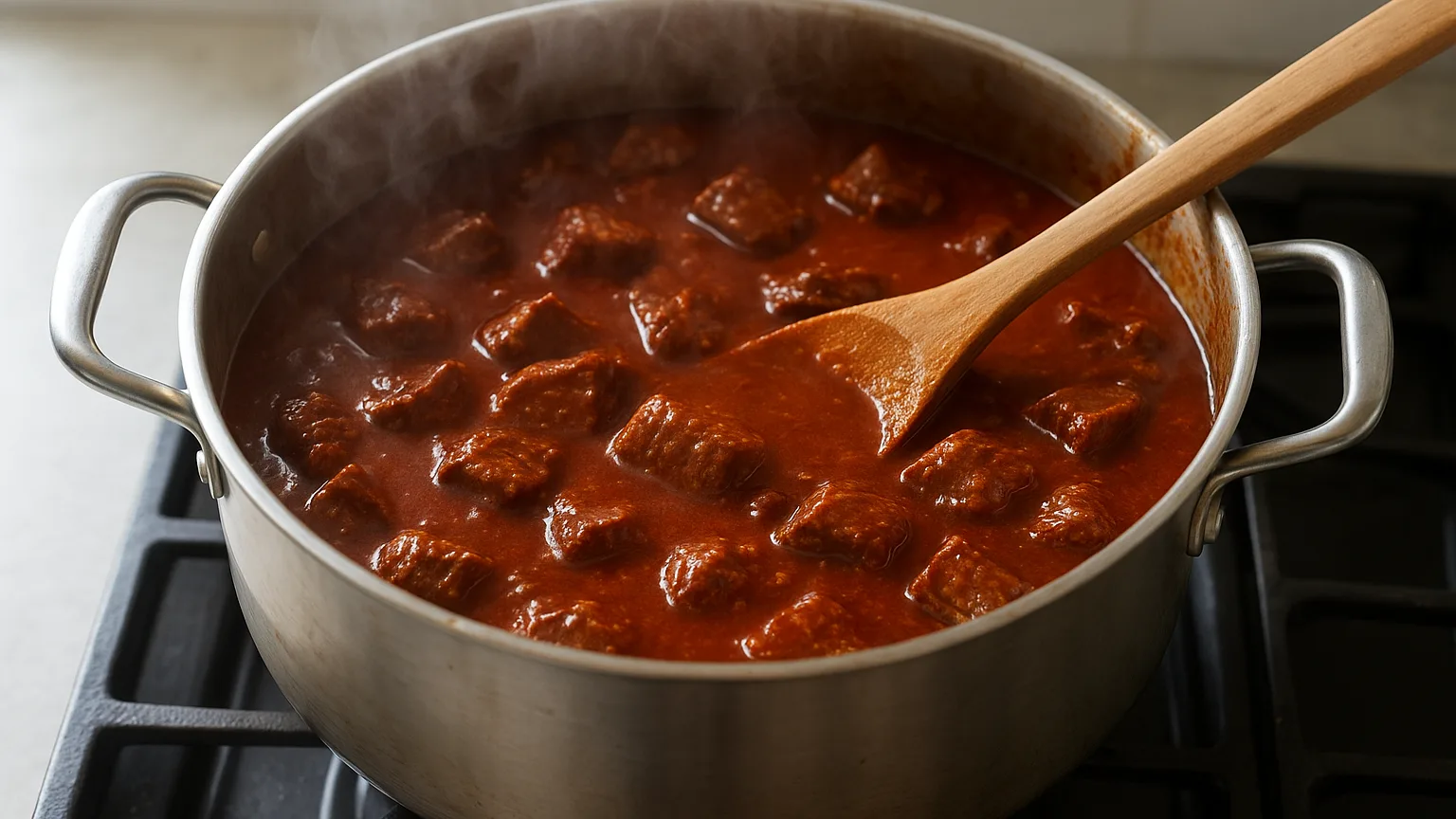
The signature dish was a green chile plate. Beyond that, consensus falls apart completely. Pork shoulder, slow-braised, in a green chile sauce built on roasted Hatch-style chiles, with a stack of flour tortillas on the side and beans that had been sitting in the same pot since dawn. Some people insist there was a fried egg on top. Others say the egg was a special-request thing, and only if you were a regular, and only before eleven.
The sauce is the real battleground. Three camps have been arguing about it for forty years.
The Roast-First Camp
These folks say the chiles were fire-roasted out back in the alley on a rotating drum, in bulk, once a week during harvest season, and then frozen. The smoke was the whole point. Without that char, it was just a pork stew.
The Pork Fat Camp
This group insists the magic was in the roux: flour cooked in rendered pork fat, which gave the sauce a body no modern version has matched. Restaurants today thicken with cornstarch and call it a day, and you can taste the shortcut.
The Tomatillo Heretics
A smaller but very loud contingent claims there were tomatillos in it. The other two camps consider this an insult. The tomatillo people point out that a certain brightness cut through the fat, and something had to be doing that work.
What is probably true is that all three groups are remembering different eras. Recipes drift. A cook who runs the same sauce for thirty years adjusts it a hundred times without announcing a single change. The Mesa green chile plate of 1958 and the one of 1979 were almost certainly cousins rather than twins, and everybody is defending the version that happened to land during their own best years. That drift is worth understanding for anyone who cooks seriously, because it comes up constantly in professional kitchens where mesa dish every caterer gets gets treated as a fixed recipe instead of a living one.

Two Generations, One Griddle, and a Lease That Ran Out
The counter was run by one family across two generations. The founder cooked the line himself for the better part of thirty years, arriving before five to start the beans and leaving after the last dishes were done. His wife ran the register and, by every account, remembered the order of anyone who had eaten there more than twice. Their son took over in the late sixties — the better technical cook of the two, by most accounts, and the one who tightened the sauce and standardized the braise. He was also the one who watched downtown Mesa change under his feet.
Three Things That Closed It
People love to blame one villain. It was rarely one thing.
- The parking problem. Downtown foot traffic thinned as Mesa spread east. Customers who once walked over on their lunch break now had to drive and circle.
- The lease. The family never owned the building. When the property changed hands in the early eighties, the new terms were not survivable for a place selling plates at that price point.
- The labor. The son's own kids had gone to college and into other careers. There was nobody in line to take a fourteen-hour shift over a flat-top griddle, and he did not push them to.
The counter closed quietly. No farewell tour, no line around the block, no newspaper feature. A sign went in the window and then the sign came down. The family stayed in the Valley, and some of the grandchildren still live in Mesa. One of them, Danielle Ochoa, has said in local food circles that she owns her grandfather's original notebook, and that the green chile entry is four lines long, with no measurements at all.
Why the Taste Outlived the Building
Food memory is unreliable in a very specific way: it keeps the emotional register and throws out the technical detail. You remember that the sauce made you sit up straighter. You do not remember whether there was cumin in it. That is why arguments about vanished restaurants never resolve — everyone is describing an accurate feeling and an inaccurate recipe. And the feeling is the harder thing to rebuild, because it involved the heat coming off the griddle, the noise, the fact that you were nineteen, and the fact that your grandfather was still alive and sitting next to you.
The technical part can be recovered. Old chile plates from central Arizona kitchens share a small set of habits that got lost as restaurant equipment modernized. The chiles were roasted hard and peeled by hand. The pork was braised in its own liquid rather than in stock. The sauce was finished on high heat right before it hit the plate, not held in a warmer, and anyone who has studied mesa's first cooks knew about will recognize why that last step changes everything.
How We Cook Toward That Memory at Mesa Dallas
We do not claim to have the recipe. Nobody does, and anybody who says otherwise is selling something. What we have done is study the flavor architecture of that plate and rebuild it with the tools and sourcing available now. Our green chile braise starts with chiles roasted in-house until the skins blister black, then peeled by hand the slow way. The pork is a bone-in shoulder, cooked long and low in its own rendered liquid with onion, garlic, and a little Mexican oregano. We thicken with a pork fat roux, because the Pork Fat Camp was right about the mouthfeel. We add a small amount of tomatillo, because the Tomatillo Heretics were right about the brightness. The sauce gets a hard finish over high flame in the final minute so it arrives at the table alive rather than tired. Served with warm flour tortillas and beans cooked from dry. No fried egg unless you ask — then, yes, absolutely, you can have the egg.
Every City Keeps One Ghost on the Menu
Mesa has grown into something the family behind that counter would barely recognize, and the building they cooked in has held two or three other tenants since. But the plate they made is still doing work. It still starts arguments at reunions. It still gets described, badly and lovingly, by people trying to explain to their kids why lunch used to feel like an event. That is a better legacy than a plaque.
What we take from it is not a recipe but a standard. Roast the chiles yourself. Braise the pork long enough that the fork stops being necessary. Let the sauce carry both fat and acid instead of picking a side. Cook it hot at the end. Do that honestly, plate after plate, and you are not imitating a vanished lunch counter. You are continuing the argument, which is exactly what those eleven stools would have wanted.
Stay at the Table a Little Longer
In Veracruz, the talk after dinner lasts longer than the meal. Pull up a chair for another story from our kitchen in Bishop Arts.
Desserts, Drinks & More
Indulge in our decadent desserts and refreshing drinks, perfect for any occasion.