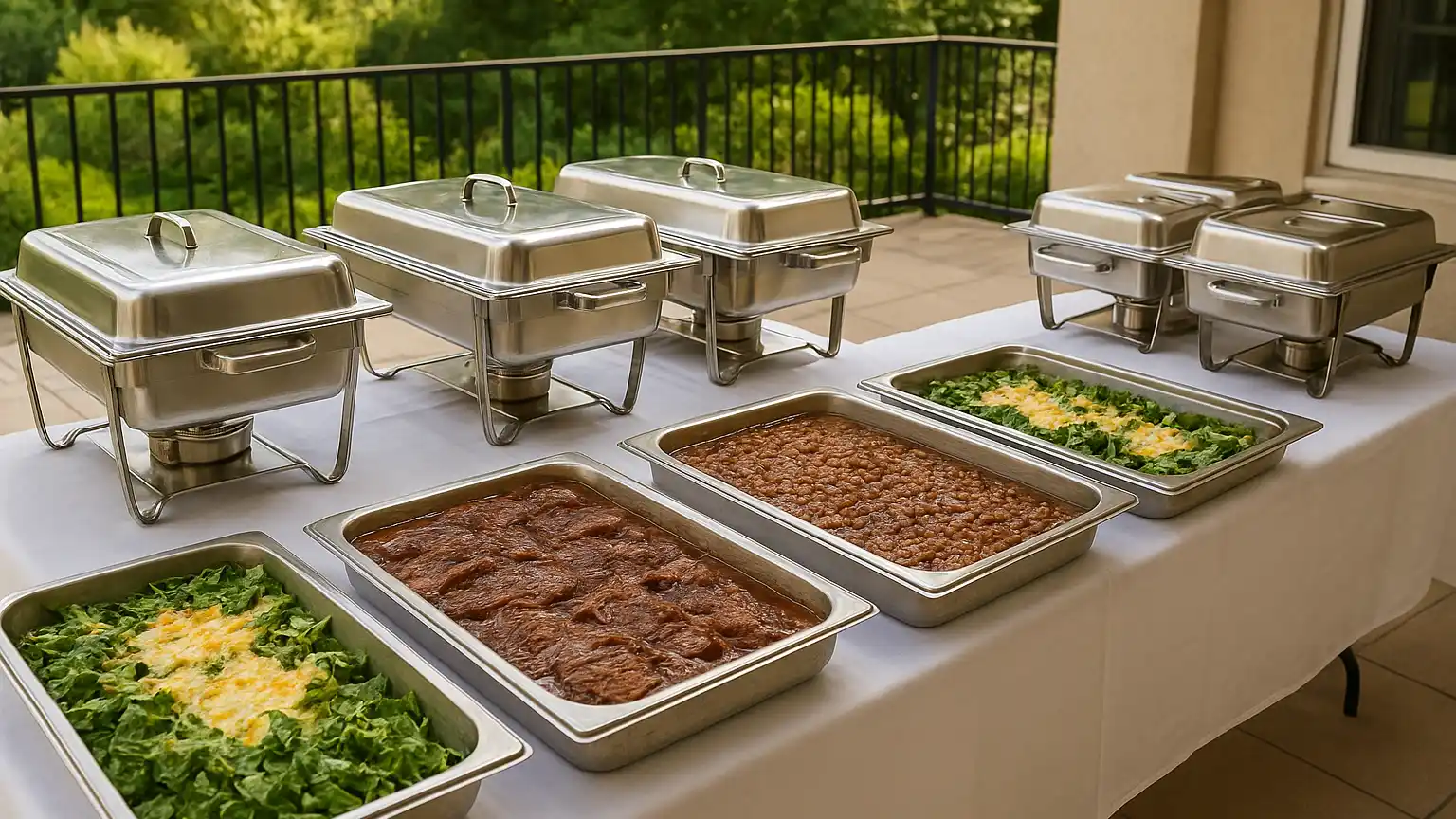
Desert-Proof Catering Lessons From Old Mesa Kitchens
Book an outdoor event in Mesa between April and October and you are not planning a menu. You are planning a fight with the sun. Chafers lose their edge. Greens go limp in twenty minutes. Sliced fruit sweats, cheese boards turn into cheese puddles, and somebody moves the dessert table three times and it still melts.
Here is the odd part. People have been feeding crowds in this exact valley for well over a thousand years, long before ice machines existed. The Hohokam farmed these fields. Mormon settlers arrived in 1878 and started cooking within days. Mexican families brought techniques shaped by the same kind of sun. None of them had refrigeration, all of them fed groups outdoors in triple-digit heat, and nobody wrote home about wilted salad.
They were not tougher. They chose different food. That is the whole secret, and modern catering menus quietly abandoned it in favor of things that photograph well for about ten minutes.
The Old Mesa Pantry Was Engineered for Delay
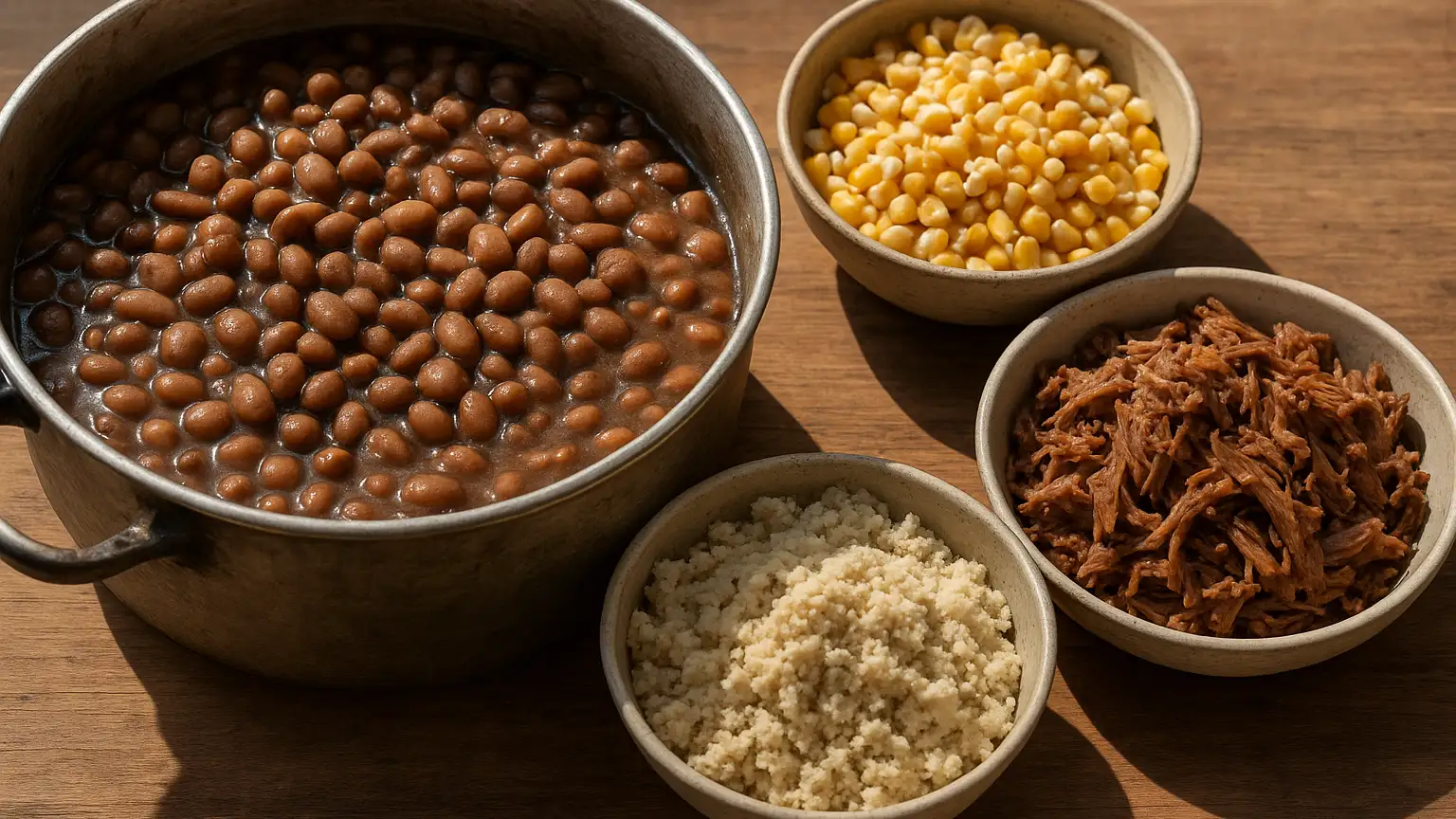
Look at what early Mesa cooks leaned on and a pattern shows up fast. Tepary beans. Corn in a dozen forms. Wheat, once the settlers got the canals running again. Squash. Chiles. Dried and slow-cooked meats. Mesquite flour. Sun-dried fruit. Every one of those foods shares one trait: it does not fall apart when it sits.
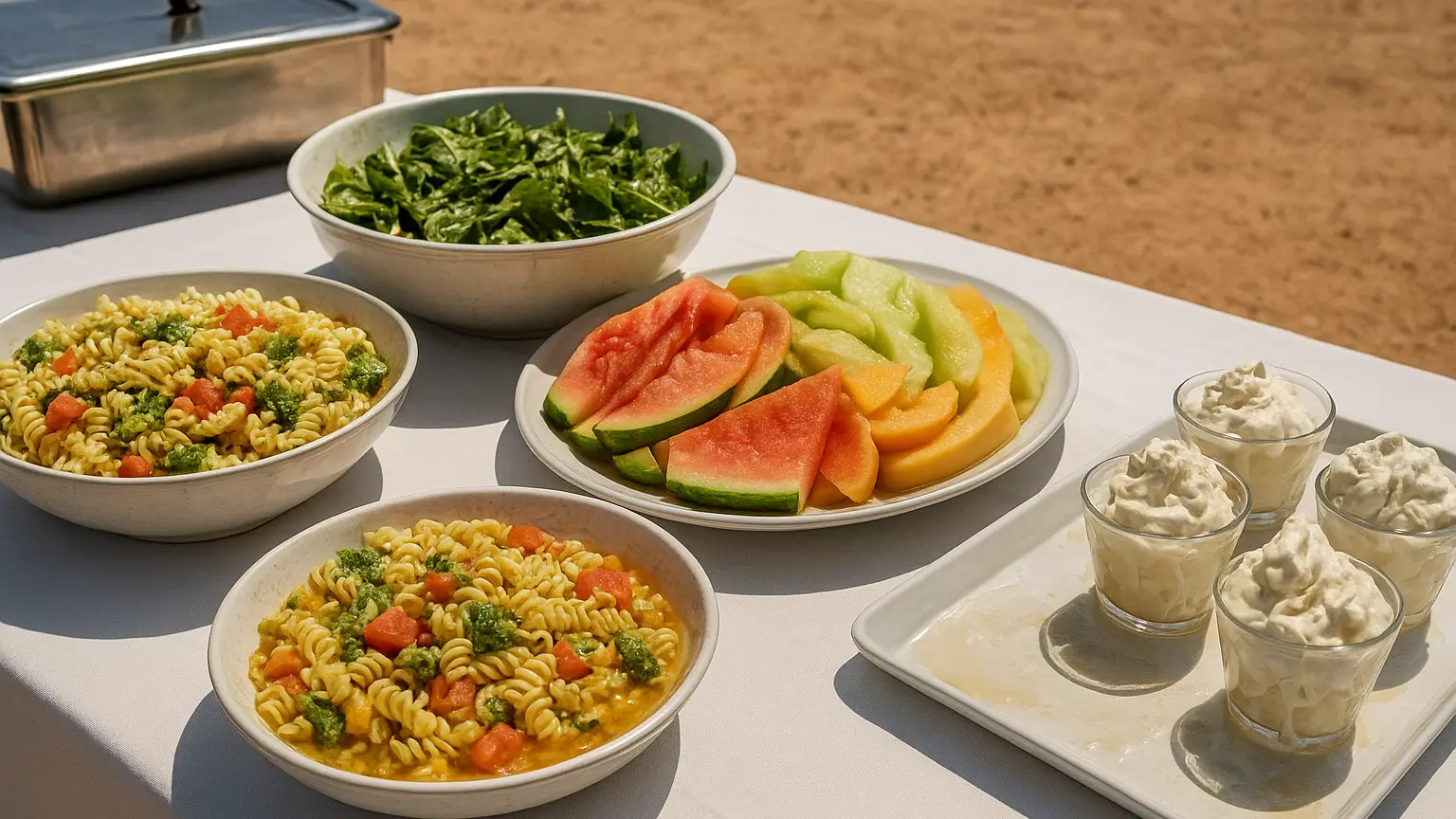
That was survival math, not taste. If you cook at nine in the morning and the family eats at seven that night, the food has to hold. If you are feeding thirty people irrigating fields in shifts, the pot has to stay good all day. The desert selected for stable foods, and it selected hard. Compare that to a standard corporate patio spread in 2026: spring mix, cold pasta salad with mayonnaise, sliced avocado, whipped cream desserts, charcuterie. Every one of those items has a short, unforgiving window, and every one was invented in a climate where 78 degrees counts as a warm afternoon.
The Foods That Held, and Why
- Tepary beans, grown in this valley for centuries, cook down thick and only get better as they sit. No texture collapse, no separation.
- Nixtamalized corn as masa, posole and tamales stays pleasant hot, warm or lukewarm, and carries flavor deep into the grain.
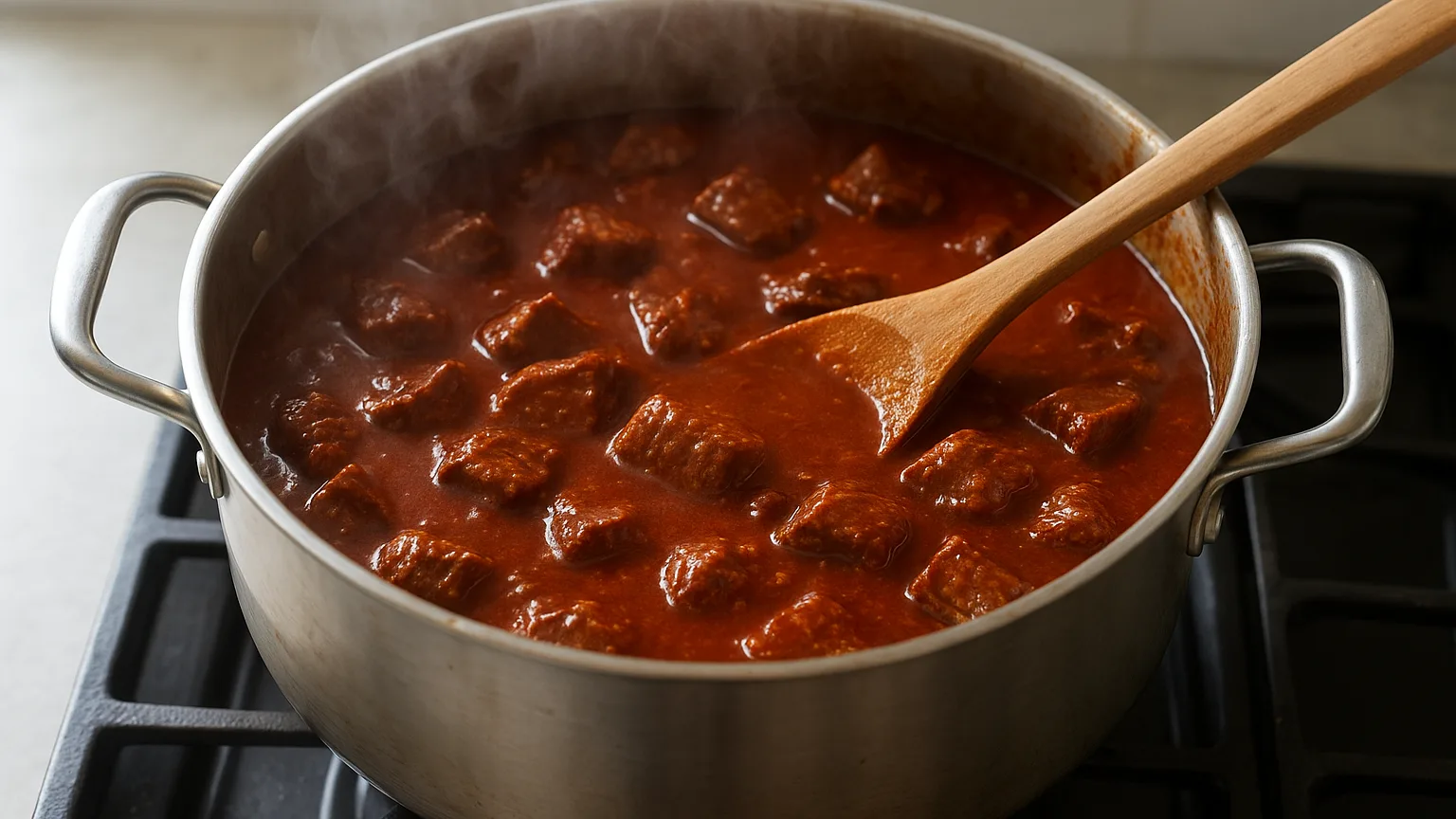
- Slow-cooked beef and pork hold internal moisture in a way quick-grilled cuts never do. Shredded meat in its own fat and juice can sit two hours and still be good.
- Chiles, dried and rehydrated, deepen with time. An hour in a warming pan improves the sauce rather than dulling it.
- Wheat tortillas, the big thin Sonoran style Mesa families have made for generations, stay flexible under a cloth in ways bread does not.
- Squash and root vegetables roasted hard keep their structure. They do not weep the way raw cut vegetables do.
Notice what is missing. Nothing on that list depends on being cold, and nothing depends on being crisp. The old Mesa pantry was built almost entirely out of foods that live comfortably in the temperature range where our safety and quality rules get uncomfortable.
When the Clock Runs Out Before the Party Does
Most corporate outdoor events in Mesa run longer than the food does. A 5 p.m. mixer that flows into dinner. An all-day construction site appreciation lunch. A vendor open house with guests trickling in across three hours. Planners build the timeline around people, then hand a caterer a menu designed for a single seated service.
Food safety guidelines give you a two hour window in the danger zone, and that window shrinks to one hour once the air passes 90 degrees. In Mesa, June through September, outdoor air routinely sits above 100. So a cold buffet outdoors in July has a service life measured in minutes, not hours. Early cooks here sidestepped the problem by keeping food hot, dry, or fermented, the three states heat cannot easily ruin. Everything in between is where trouble lives.
Hot Holds Better Than Cold in Mesa
This feels backwards to people from cooler places, so it is worth stating plainly. In 108-degree ambient air, keeping something at 165 degrees is far easier than keeping something at 40 degrees. The heat works with your chafers and against your ice. Watch a Mesa event unravel and it is almost always the cold side that goes first: the ice bath melts, the pan warms, the dressing breaks, the herbs blacken. Meanwhile the braised beef sits there perfectly content, tasting the same at 7:40 as it did at 5:15.
Vernon Whitmer, who cooked for church socials and fundraisers in the East Valley for thirty years, put it simply when asked why his menus never changed in summer: "You do not fight the desert with a cooler. You cook something that already made peace with it."
What This Changes on a Real Menu
- Lead with a braise, not a grill. Grilled chicken breast dries out in a chafer within forty minutes. Shredded barbacoa or slow-cooked pork does not.
- Swap the leafy salad for a grain or bean salad. A cooled tepary or pinto bean salad with lime and chile holds three hours and tastes better at hour two.
- Dress on the side, always. Acid plus heat plus time equals mush.
- Choose corn and wheat over greens as the fresh element. Warm tortillas, corn cakes and posole give the comfort of a fresh item without the fragility.
- Move dessert into the shade or indoors, and build it on masa, nuts, dried fruit and honey rather than dairy foam.
None of this is a compromise. It is a straight upgrade in flavor stability, which matters most when mesa dish every caterer gets and the whole timeline slides thirty minutes late.
Three Layers That Survive a Triple-Digit Afternoon
The practical version of all this history is a menu structure, not a nostalgia trip. Think in three layers, the way an old Mesa kitchen naturally did.
Layer One: The Anchor
One slow-cooked protein that improves with holding time. Barbacoa, carnitas, chicken in red chile, brisket cooked low with mesquite. This is your insurance policy. If the event runs an hour long, the anchor does not care.
Layer Two: The Body
Beans, rice, roasted squash, posole, grain salads. These carry the plate, cost less than protein, and are almost impossible to ruin outdoors. Beans are the single most underrated item on any Arizona patio menu: they hold heat, reheat cleanly, satisfy vegetarians without a separate line, and have been feeding people in this valley since before the canals had names.
Layer Three: The Bright Finish
Color and freshness, but from items that fight back against heat. Pickled red onion. Sliced radish. Cotija. Salsa verde and salsa roja. Shredded cabbage instead of lettuce, because cabbage holds crunch for hours. Lime wedges. Cilantro added at the last minute rather than mixed in. Cabbage over lettuce alone will save more Mesa events than any equipment upgrade: a one word change on a spec sheet that buys you two hours.
Small Moves That Buy Big Time
- Set service tables on the east side of any structure for evening events. Free shade after 4 p.m.
- Use deep pans, half full, rather than shallow pans full to the rim. Less exposed surface, less evaporation and crusting.
- Keep tortillas under cloth in insulated carriers and pull them in small batches instead of stacking them all out at once.
- Refresh garnish bowls on a schedule rather than filling them once and hoping.
- Put drinks and desserts indoors or under hard shade and let the hot line live outside. Reverse the instinct.
- Plan a replenish wave at the 75 minute mark instead of one big set. It looks generous and solves the holding math at the same time.
These are the kinds of adjustments that get passed down through kitchens rather than written in cookbooks, the same way recipes traveled between families and lunch counters and church halls across the East Valley, which is part of why vanished mesa lunch counter locals still gets brought up at Mesa dinner tables decades later.
The Desert Already Wrote Your Menu
There is something almost funny about spending money on refrigerated trailers and misting fans so a spring mix salad can survive a Mesa afternoon, when the answer has been sitting in this valley the whole time. The people who fed crowds here first were not working with less. They were working with food shaped, generation after generation, by the exact conditions your event is facing. Tepary beans, nixtamalized corn, dried chiles, slow meat and Sonoran wheat are not historical curiosities. They are engineering solutions to a heat problem, and they still outperform anything imported from a milder climate.
So start with a different question. Not "what looks impressive on a table," but "what still tastes right ninety minutes from now." Choose the anchor that improves with time, build the body from beans and grain, and take your freshness from pickles, cabbage and citrus rather than from things that need to stay cold to stay good. Guests will remember food that was hot when they reached it and still good when they went back for seconds. That is the whole trick, and Mesa's first cooks had it figured out long before anyone here owned a chafing dish.
Stay at the Table a Little Longer
In Veracruz, the talk after dinner lasts longer than the meal. Pull up a chair for another story from our kitchen in Bishop Arts.
Desserts, Drinks & More
Indulge in our decadent desserts and refreshing drinks, perfect for any occasion.